

ICELANDIC CUISINE
Food Shaped by Climate and Necessity


Icelandic cuisine is not built around abundance. It is built around survival, adaptation, and respect for what is available. The climate does not allow excess, and the food reflects that reality with honesty.
Meals here are practical, restrained, and deeply connected to place. Ingredients are chosen not for spectacle, but for reliability. Flavor comes from time, method, and patience rather than decoration.
Cooking in a Harsh Environment


For centuries, Icelanders cooked with what the land and sea could offer. Fish, lamb, dairy, and preserved foods formed the foundation of everyday meals. Preservation was not a trend. It was a necessity.
Drying, fermenting, smoking, and curing allowed food to last through long winters. These methods shaped taste preferences that still influence Icelandic cooking today.
The result is cuisine that values endurance over indulgence.
Simplicity Over Excess


Icelandic dishes are rarely complex in structure. Few ingredients, prepared carefully, are considered enough. This simplicity is intentional. It allows the quality of the product to speak without interference.
There is little interest in hiding flavors behind sauces or spices. Food is expected to taste like what it is. Lamb tastes of open land. Fish tastes of cold water. Dairy tastes clean and direct.
This approach mirrors the landscape itself.
Tradition and Modern Interpretation


Modern Icelandic cuisine has not abandoned tradition. It has reinterpreted it. Contemporary chefs work with the same core ingredients, applying precision and restraint rather than reinvention.
Old preservation methods coexist with modern techniques. Local sourcing is not a statement. It is simply practical.
The result is food that feels grounded rather than performative.
Eating as Part of the Rhythm


Meals in Iceland tend to follow the rhythm of the day and the season. Eating is not rushed. It is functional, but not careless. Food provides energy, warmth, and continuity.
There is little separation between everyday food and cultural identity. What people eat reflects where they live and how they move through the year.
In this sense, cuisine becomes another form of storytelling.
What Icelandic Cuisine Teaches


Icelandic cuisine teaches restraint.
It teaches respect for limitation.
It teaches that satisfaction does not require variety.
Like the landscape, the food does not try to impress. It aims to sustain.
And in that quiet intention, it reveals its character.
Closing Thought

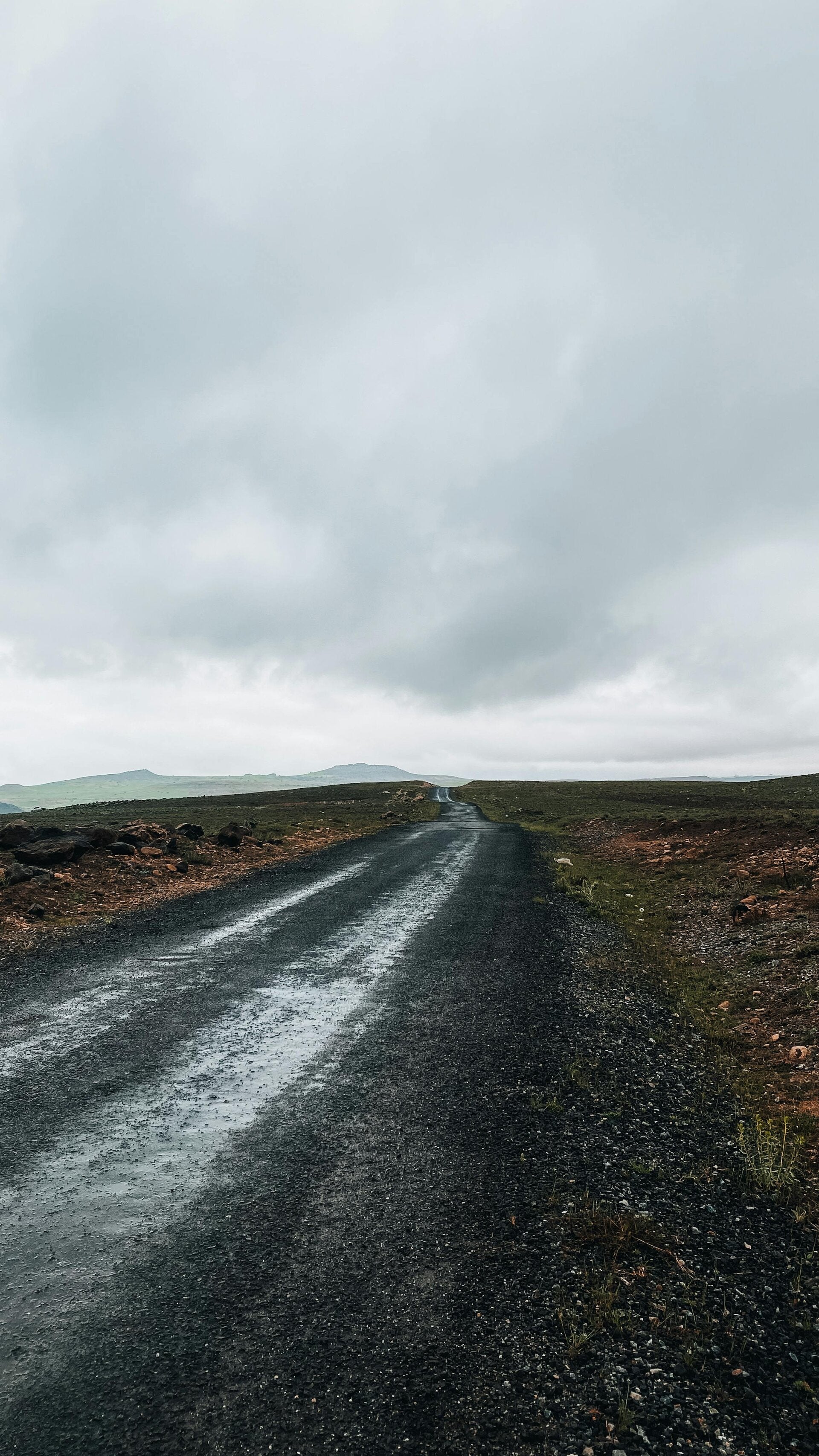

To understand Icelandic food is to understand Iceland itself.
Both are shaped by weather, distance, and patience.
And both reward those who slow down enough to notice.